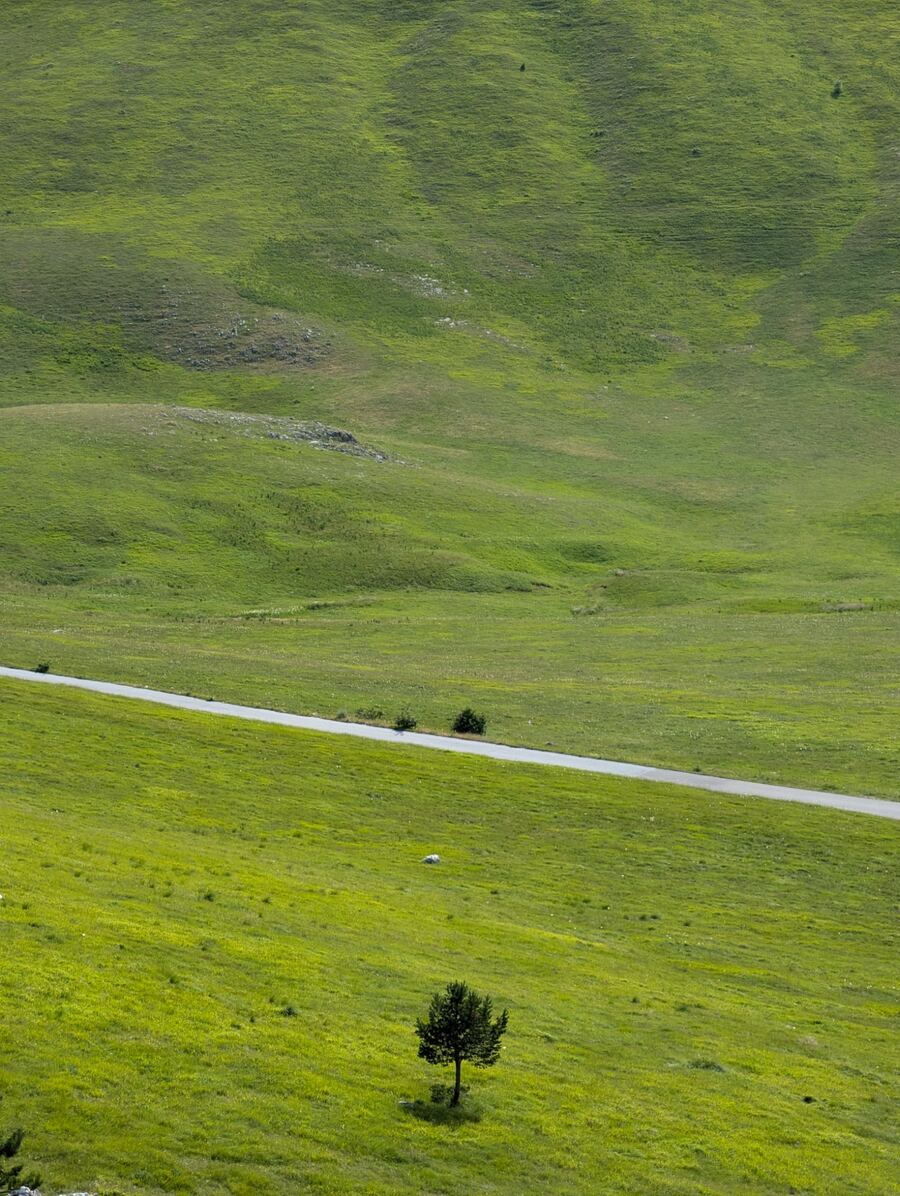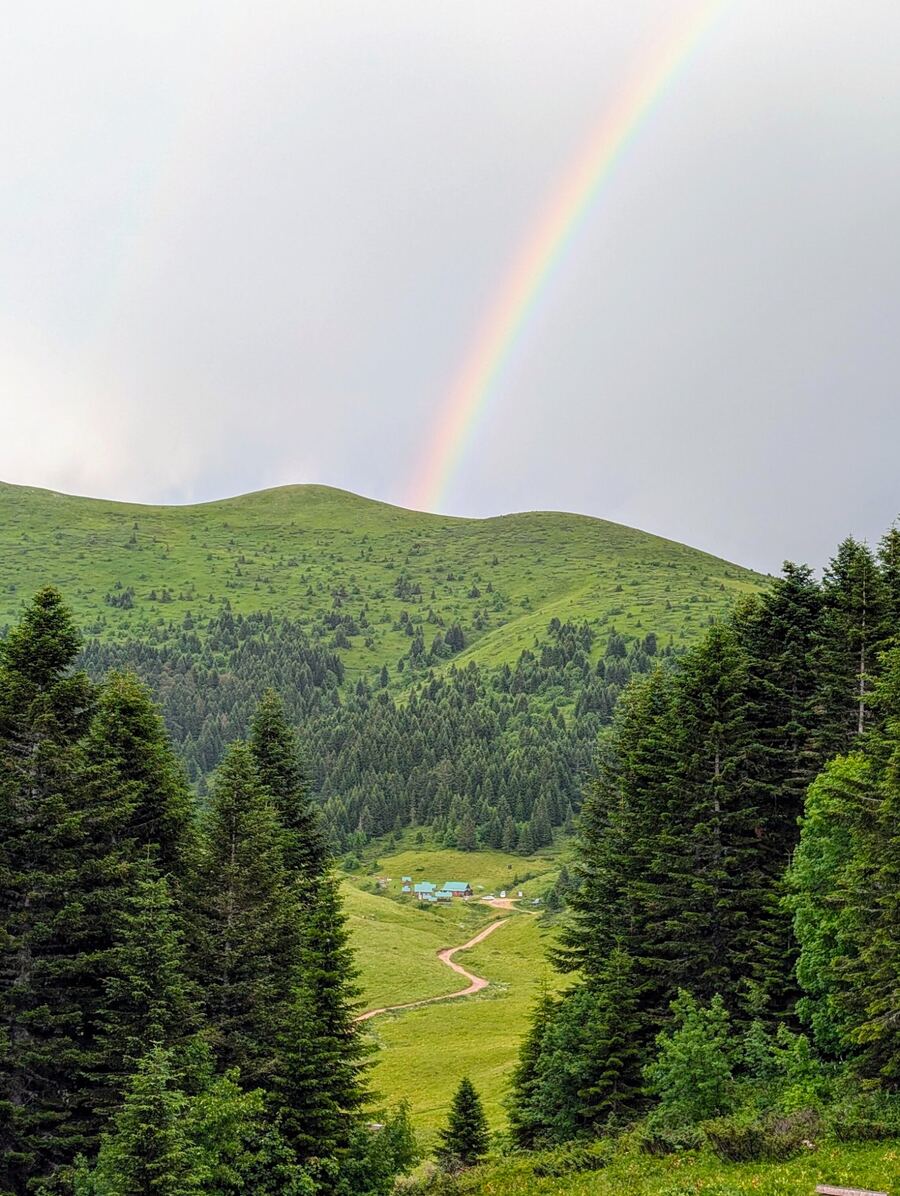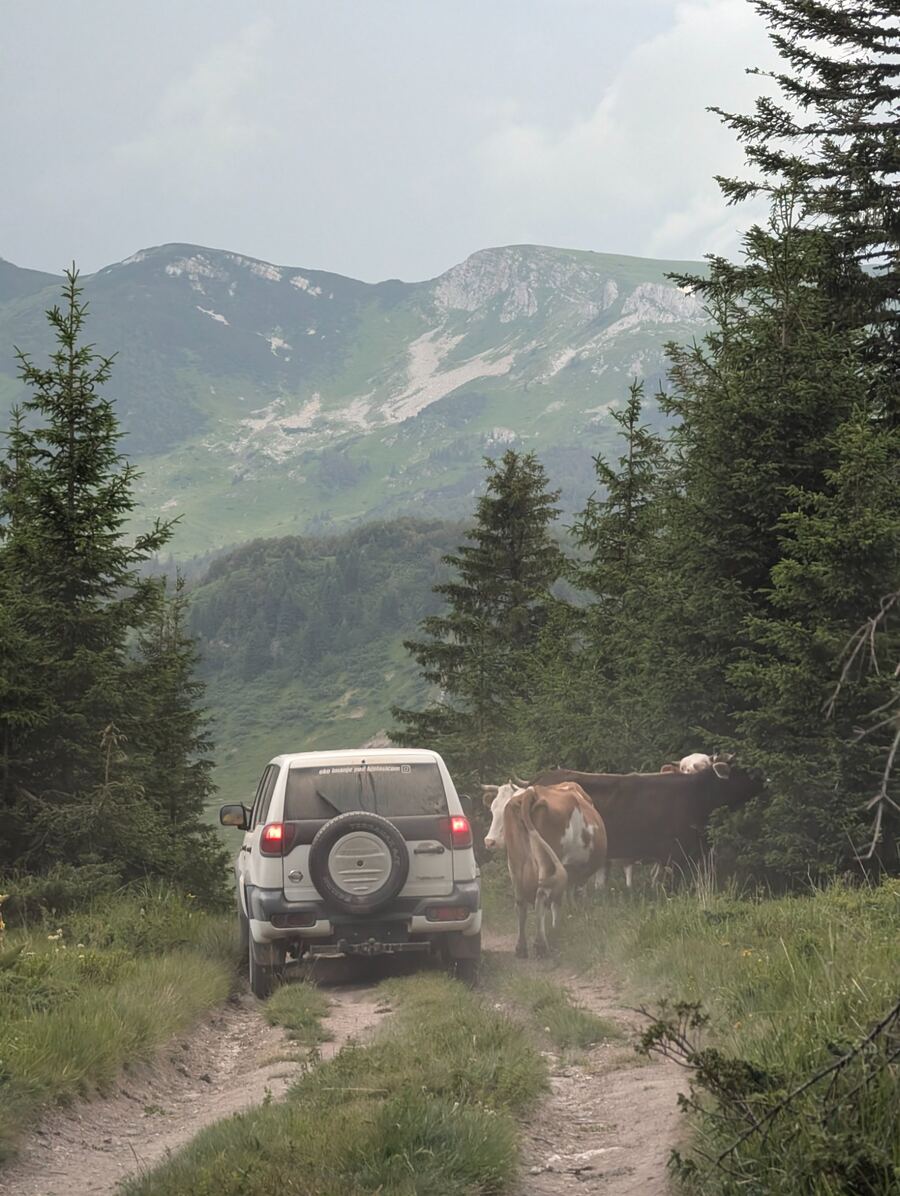
After guiding hundreds of guests through the highlands of Montenegro, a few patterns become impossible to ignore. The same mistakes recur across seasons and nationalities. This guide is my attempt to save you from the most common ones.
The mountain does not care how much your gear cost. It cares whether you brought the right things.
Footwear — the single most important decision
More trips have been ruined by bad footwear than by any other factor. The trails here are real highland paths — loose limestone, wet grass, short steep sections with no handholds. You need ankle support and a sole with genuine grip.
- Yes: Waterproof hiking boots with ankle support (Salomon, Merrell, Lowa, Scarpa)
- Yes: Trail runners if you have extensive experience and the day route is confirmed mild
- No: Trainers, sneakers, sandals, or "outdoor" shoes that are actually fashion items
- No: Brand-new boots worn for the first time on a full-day trek
Buying hiking boots two days before the trip and wearing them straight onto the mountain. Break them in for at least a week of walking before you arrive. Blisters at 1,800m with 6 hours still to go is not a good situation.
Clothing — layer, don't just pack warm
The highlands can deliver four seasons in a single day. A morning that starts at 8°C with heavy cloud can become a 22°C sun trap by noon, and return to 10°C with wind by late afternoon. The answer is not one thick layer — it is several thin, functional ones.
- Base layer: Merino wool or synthetic — not cotton. Cotton holds moisture against your skin and chills you.
- Mid layer: Fleece or light down jacket — compressible enough to stuff into your pack
- Outer layer: Waterproof jacket, always — even if the forecast is clear. Mountain weather changes fast.
- Trousers: Zip-off hiking trousers are genuinely useful here, not just a cliché
- Hat and gloves: Even in July, summit mornings can be cold enough to need both
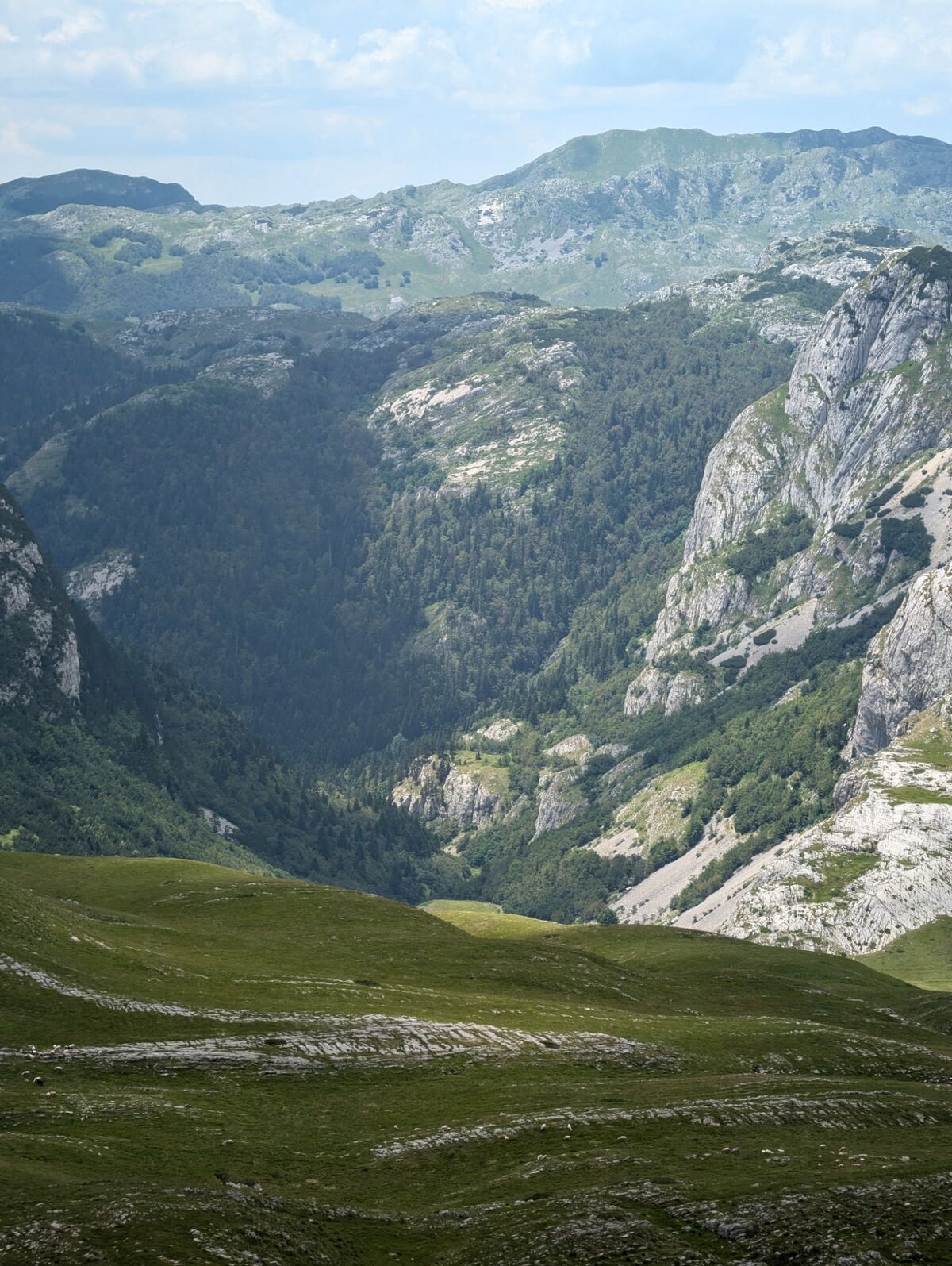
Essentials for the daypack
- At least 2 litres of water — streams are generally clean but carry your own to start
- High-energy snacks (nuts, dried fruit, chocolate) — we provide lunch but not constant snacking
- Sunscreen SPF 50 — UV is intense at altitude even on overcast days
- Sunglasses — UV again, and the glare off limestone ridges is significant
- Small first aid kit including blister plasters
- Fully charged phone — primarily for photos, but also emergency contact
- Headlamp or torch — if you are booked on the summit dawn trek
What to leave at home
Overpacking is its own problem. A heavy daypack on a six-hour mountain route becomes a genuine burden by hour three. Leave behind anything you would not actually use every two hours.
- Heavy camera setups unless you are specifically a photography trip — your phone will do 90% of what you need
- Multiple changes of clothes for a day trek
- Anything in glass bottles
- Jeans — heavy when wet, stiff, no mobility. Never jeans.
A small dry bag or waterproof stuff sack for your phone and documents. When the afternoon storm arrives — and it often does — a standard daypack offers only partial protection. Your phone and passport should be in something waterproof.