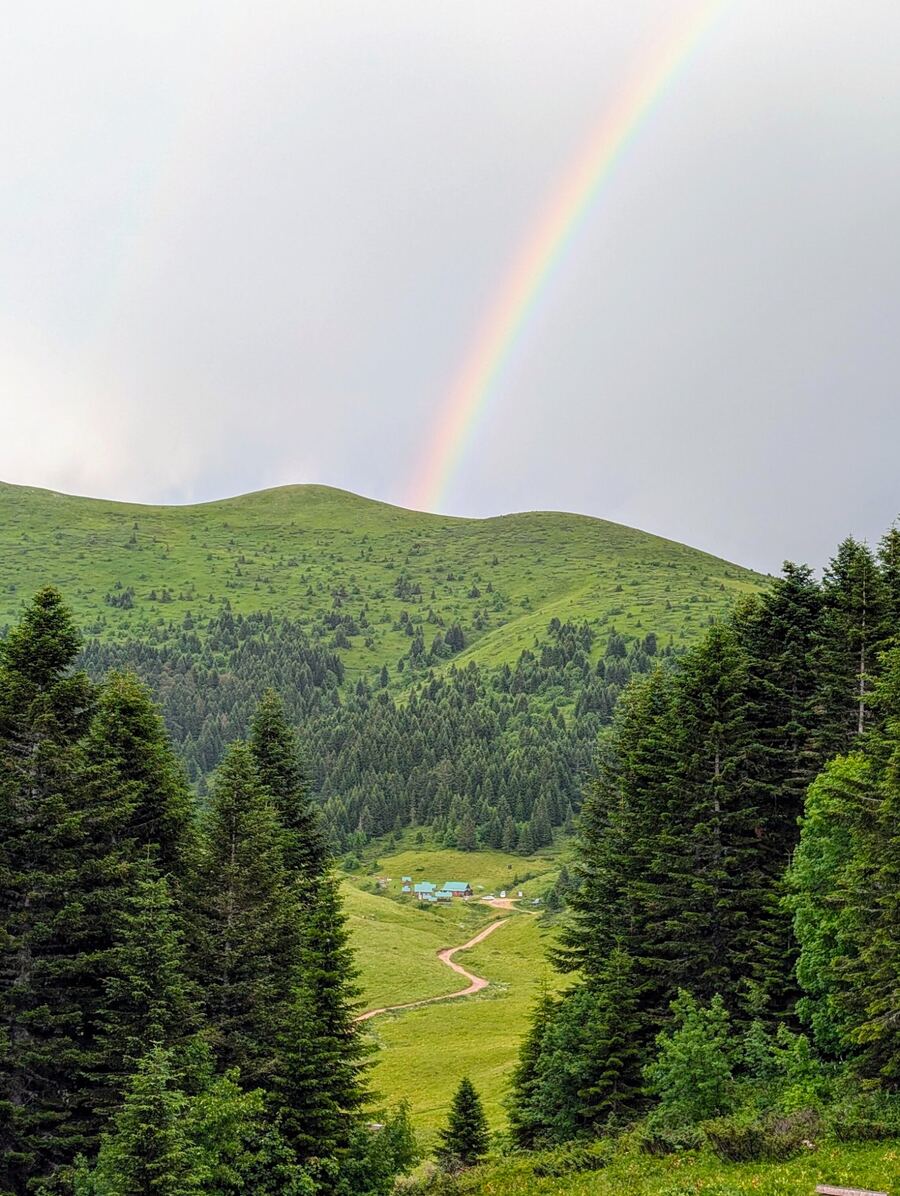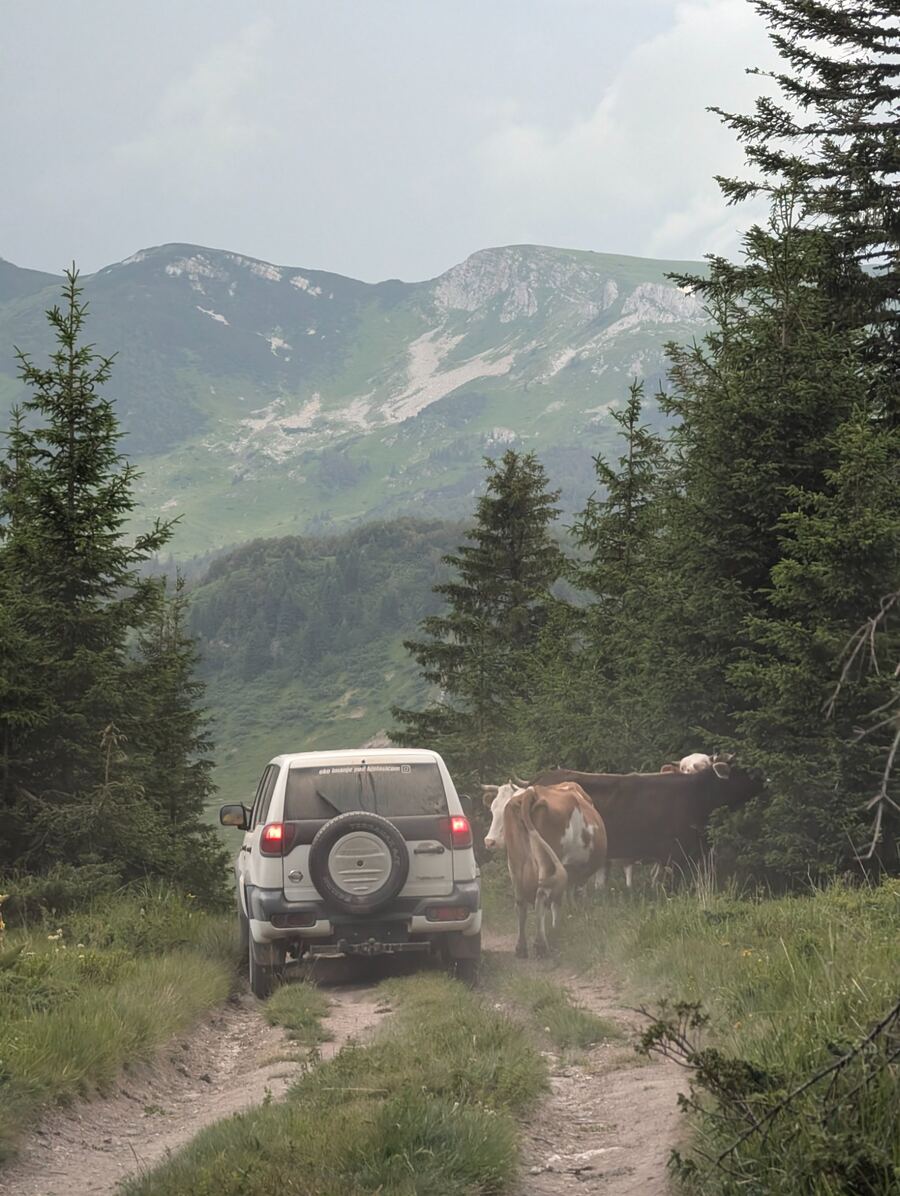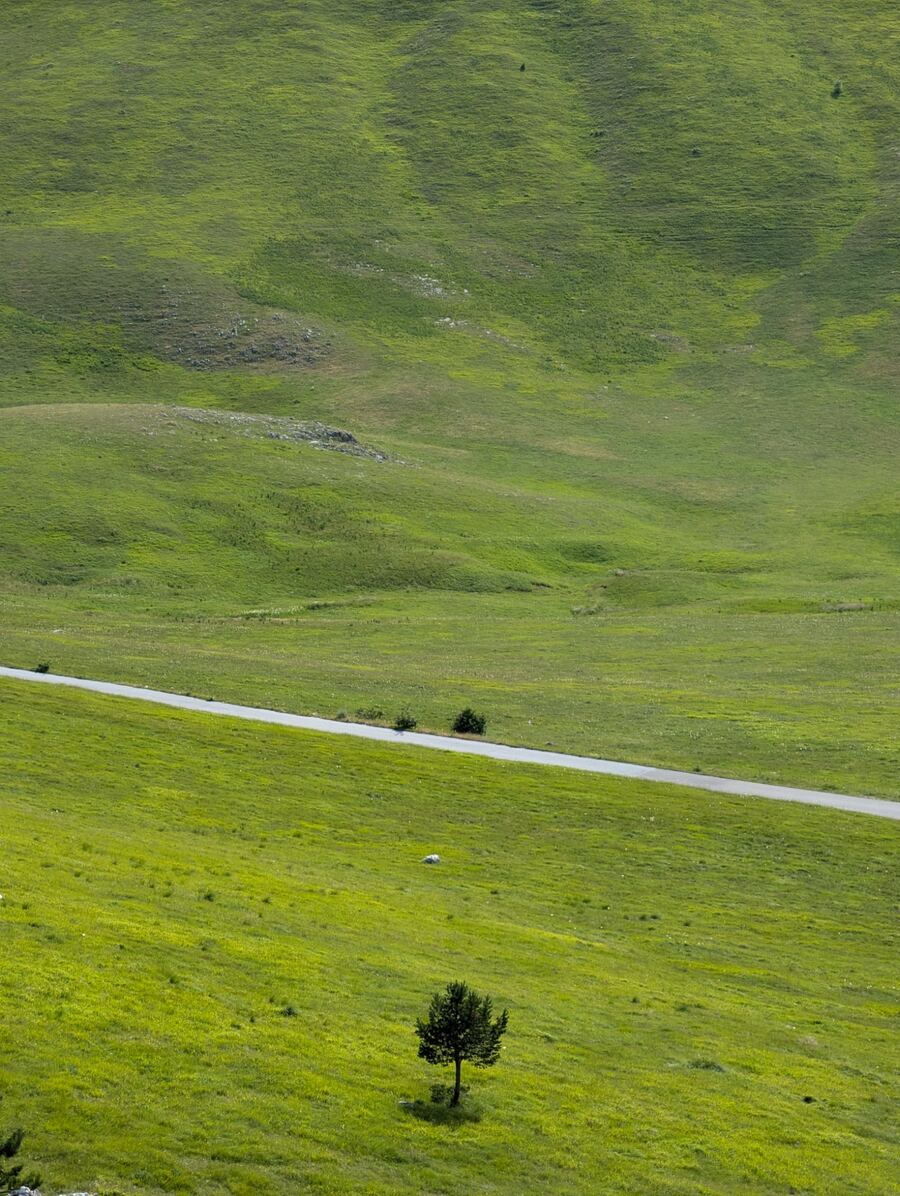
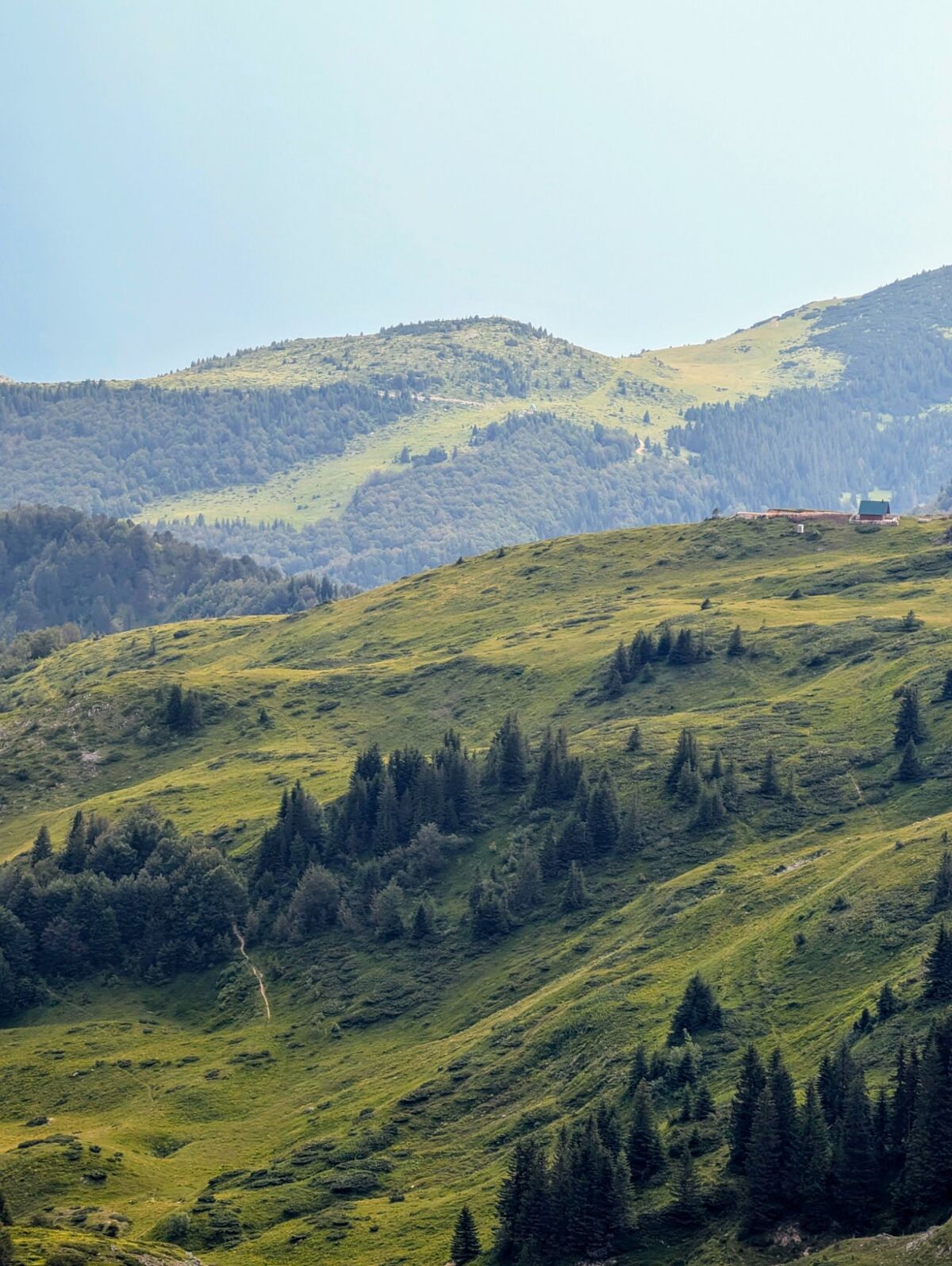
High above the tree line, where the air is thin and the grass grows in sharp, wind-bent tufts, you will find them. Small wooden and stone structures, smoke curling from a chimney, a dog barking once and then going quiet. This is a katun — a summer highland settlement that has existed in the Balkans for longer than anyone can reliably record.
Every June, when the lowland heat becomes oppressive and the high meadows finally emerge from snow, families in northern Montenegro still do what their great-grandparents did: they pack their belongings, gather their animals, and move up the mountain.
What exactly is a katun?
The word itself is old Slavic, meaning roughly "camp" or "stopping place." But a katun is far more than a camp — it is a seasonal village, a working dairy operation, a community gathering point, and a cultural institution all at once.
A typical katun consists of several small cabins (called stanovi) clustered together on a highland plateau or mountainside, usually between 1,400 and 2,000 metres elevation. Each structure belongs to a different family, often from the same village down below. The settlement functions as a collective — neighbours share labour, watch each other's animals, and spend long evenings together under skies undiluted by any artificial light.
"We come here every summer. My father came, and his father before him. The mountain does not change. That is the point."
A day in the katun
Life at the katun follows the rhythm of animals, not clocks. The day begins before dawn with milking — cows, sheep, and goats must all be attended to before the sun rises enough to heat the air and draw out insects. By mid-morning the animals are released to graze freely across the open plateau.
The rest of the morning is given to cheesemaking. The milk from the morning milking is heated in large copper vessels over wood fires, curdled with natural rennet, pressed into forms, and set to drain. Each family has its own recipes — some going back generations — for the salt content, the aging process, the exact texture they prefer.
If you visit a katun during our guided tours, you will almost certainly be offered cheese and smoked meat directly from the family's stores. It is considered impolite to refuse. Accept, eat slowly, and ask questions — katun families are extraordinarily proud of their craft and happy to explain it in detail.
Why katuns matter today
Across the Balkans, katun culture is under pressure. Younger generations migrate to cities. The physical labour of highland farming is hard, the economic return modest. In many areas the summer settlements have been abandoned entirely — the cabins left to rot, the meadows reverting to scrub.
In Montenegro, however, a meaningful number of families continue the practice. The reasons are partly economic (highland cheese commands premium prices at local markets), partly cultural (the katun season is bound up with identity and family memory), and partly practical (the highland pastures remain the most productive summer grazing land available).
How to experience it yourself
The best way to understand katun life is to visit during the active season — June through September. Our Katun Trail Trek takes you through two or three working katuns in a single day, with time to talk to the families, watch the cheesemaking process, and taste what comes out of it.
- Visit in July or August for the peak dairy production season
- Bring small gifts — coffee, sugar, or local sweets are always welcome
- Ask before photographing people — most families are happy to oblige if you ask first
- Wear sturdy shoes — katun paths are real shepherd trails, not tourist tracks
The experience is unlike anything else available in European tourism. There are no tickets, no gift shops, no scheduled demonstrations. There is only a family, their animals, their mountain, and you — if you are willing to walk up to find them.